You’ve probably heard of goat milk soap. Maybe someone said it to you as an aside. Or maybe you’ve spotted it on the internet and wondered what all the fuss is about.
So let me start answering your silent question: goat milk soap is a skincare solution that marries history, science and nature to provide results you can feel.
If you’ve ever been disappointed by commercial soaps – leaving your skin dry, irritated or devoid of its natural glow – goat milk soap may be just the answer. This isn’t just speculation. Goat milk is naturally high in vitamins A, D, B6 and E. None of which are empty buzzwords, but rather nutrients that nourish, mend, and shield your skin. Doesn’t matter if you suffer from sensitive skin, acne or signs of aging, goat milk soap can help.
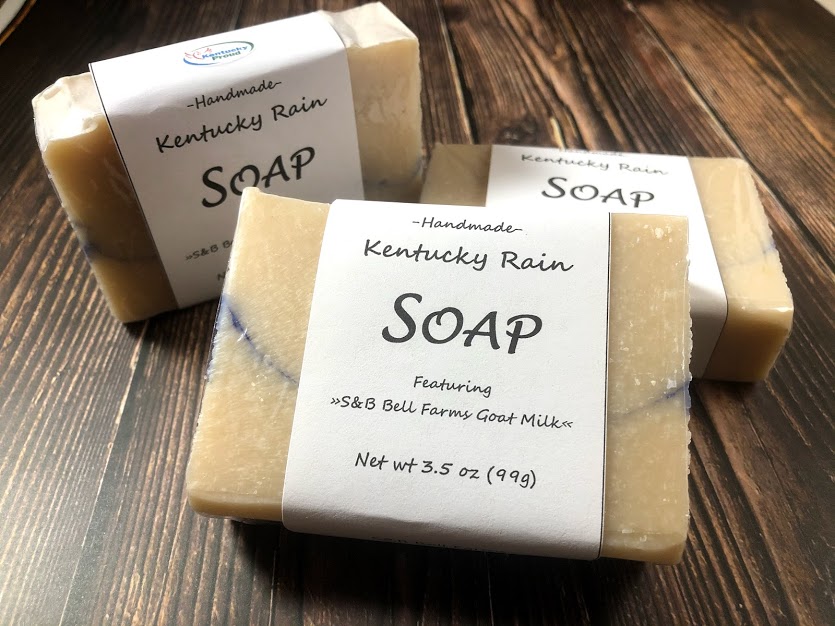
So why should you care? Because your skin deserves better. And because S&B Bell Farms offers handmade goat milk soap crafted with care and love.
Ready to learn more? Let’s dive in.
The History of Handmade Soap
Where It All Started
If you want to appreciate goat milk soap, you first need to understand the origins of soap. It exists in a world where time is never an illusion.
As early as ancient Babylon, people were mixing animal fats with wood ash. While this might sound basic, it was the start of the world of soap making as we know it. Those early soaps were primarily for cleansing textiles, as well as the preparation of wool for weaving.
The Egyptians and Greeks quickly took this practice and broadened it. They started to use plant oils and other natural substances in their formulations. These advancements made soap more than just effective, it also became less abrasive on skin.
By the time the Romans came along, the process of soap-making had turned into an art. Roman craftspeople incorporated olive oil and other plant-based extracts into their formulations, crafting decadent soaps that were not just functional, but also decadent.
Medieval Europe
Soap-making was a codified crafting industry in Europe by the Middle Ages. And guilds of artisans formed, grouping skilled soap-makers who had perfected their trade over generations. However, there was one major obstacle to overcome during this era: inconsistency.” Soap quality differed greatly by region and what raw materials people had access to. Some soaps were mild and effective, and others were drying and abrasive.
The demand for soap was constantly increasing despite these discrepancies. They started to understand that soap wasn’t merely a means of cleaning clothing – it could also enhance the health and look of their skin. This change in perception set a foundation for future innovations in the world of soap-making.
The Industrial Revolution
The 19th century saw dramatic changes in the soap-making world. Science discovered the process of saponification-the chemical reaction that converts fats and oils into soap. Armed with this information, factories started churning out soap in droves. Soap was also available to everyday people, for the first time.
That industrialization, however, came with a price. Many commercial soaps substituted natural ingredients for cheaper options. It led to a rise in the use of harsh chemicals and synthetic detergents which prioritise cleaning ability over skin health. Shoppers started to realize that these industrial lotions made their skin dry, tight and itchy.
Resurgence of Handmade Soaps
The 20th century saw a growing awareness of skincare product ingredients among consumers. Fear over synthetic chemicals, both in terms of human and environmental impact, revived the decrease within the handmade soaps. Bespoke skills returned; goats would be milked to make soaps from pure, natural, skin-mannerly ingredients.
They harmonize the ancient wisdom of time-tested traditions with the novel information coming out of modern studies, building tools that are impactful, easy on the body, and supportive to the environment.
Benefits of Goat Milk Soap
Skin-Friendly Ingredients
As an example, one of the most outstanding features of goat milk soap is the abundant in nutrients composition. Goat milk is also packed with all the vitamins, like A, D, B6, and E that can help your skin stay healthy.
- Vitamin A: Also known as the “anti-aging vitamin,” vitamin A helps diminish the appearance of fine lines, wrinkles, and age spots. It also helps to encourage cell turnover, which can enhance skin texture and tone.
- Vitamin D: An important vitamin for repairing and regeneration of tissues, vitamin D helps in production of new skin cells. This can also hasten the healing process and decrease inflammation.
- Vitamin B6: Vitamin B6 is known for its ability to manage oil production and is especially helpful for oily or acne-prone skin.
- Vitamin E: An antioxidant, vitamin E protects your skin from environmental damage from free radicals.
Also, goat milk is rich in lactic acid – a mild exfoliating agent that lifts and eliminates dead skin cells without irritation.
This process naturally flakes away the dull top layer of skin, revealing bright, smooth skin hiding underneath. Some people said they’ll never go back to commercial soap after trying this.
Hydration and Moisture
The skin is naturally oily, and one of the most common complaints against commercial soaps is that they strip away these oils. Which can cause dryness, flaking and discomfort.
That’s hardly the approach taken by goat milk soap. Its rich concentration of fatty acids and triglycerides works to seal in moisture, thus resulting in soft, hydrated skin.
Another important contributor is goat milk’s pH. Human skin is slightly acidic in pH, usually between 4.5 and 5.5. Most commercial soaps are high pH and can strip the skin’s natural barriers and cause irritation. Goat milk soap, however, has a pH level more closely aligned with human skin. This ensures that it purifies properly without drying you out or throwing your skin’s delicate systems out of whack.
Anti-Aging Properties
Our skin goes through many changes as we grow older. Production of collagen (the conduit of skin elasticity and firmness) slows. Things like sun exposure and pollution can aggravate these effects, leading to wrinkles, fine lines, and age spots.
Goat milk soap also contains antioxidants such as selenium, which help fight the signs of aging. Antioxidants neutralize free radicals – unstable molecules that wreak havoc on skin cells and lead to premature aging. Goat milk soap will help increase skin elasticity, minimize fine lines and give you your glow back.
Gentle on Sensitive Skin
If you have sensitive skin, how to find a soap that does not irritate is a daunting task. Commercial soaps are another potential trigger, as they frequently contain harsh fragrances, preservatives, and chemicals that can lead to allergic reactions or aggravate existing skin conditions.
Goat milk soap is an alternative that is hypoallergenic and devoid of these irritants. Because of its anti-inflammatory properties, it is great for people with eczema, psoriasis, or acne. Most users notice significant improvements once they start using goat milk soap. Their skin is calmer, softer, and healthier.
Environmentally Friendly
Sustainability is critical than ever in (today’s) world. A lot of commercial soaps rely on palm oil, one of the major contributors to deforestation and habitat destruction. In contrast, handmade goat milk soaps emphasize sustainability.
Artisans such as SBBell Farms use clean ingredients and sustainable packaging so they impact the planet аѕ little as possible. When selecting goat milk soap, you’re not just choosing something for your skin-you’re choosing a product that resonates with your values.
Six Reasons Why Goat Milk Soap Is Better
The difference between goat milk soap and soap produced by commercial manufacturers is that goat milk soap contains many unique nutrients and vitamins. Goat milk soap relies on natural ingredients unlike many mass-produced soaps that contain synthetic detergents.
Nutrient-Rich Composition
Goat milk contains lactic acid which acts as a mild exfoliant. Unlike abrasive scrubs, it clears dead skin cells – so skin feels soft and looks radiant. Another benefit of goat milk: it contains prebiotics which support the growth of healthy skin bacteria for a balanced microbiome.
Commercial soaps, by contrast, frequently also include sulfates, parabens, as well as artificial scents. These additives tend to dehydrate the skin, creating irritation and, in some cases, disrupting your skin’s natural barrier. Goat milk soap steps around these traps by providing a safer and more effective option.
Popularity Trends
Goat milk soap has become very popular in recent years. American brands are experiencing unprecedented demand as consumers search for natural alternatives to chemical-packed soaps. Once goat milk soap gets into their routine, they seldom go back to their previous products.
The trend is similar across the world. Handcrafted goat milk soaps are known for their luxurious softness and efficacy. With their unique formulation, they are ideal for a variety of skin types and concerns, making them a great option for anyone looking to take their skincare game up a notch.
The Consumer Keeps Growing!
Natural soaps are gaining popularity all over the world. Slated to grow at a (CAGR) of around 7% – 8.6% till 2030. Goat milk soap makes up a huge share of this market.
The goat milk soap market was valued at $216.4 million in 2022. It is projected to hit $370.3 million by 2030 with a compound annual growth rate (CAGR) of approximately 6.5%. Although this growth rate is slightly below the overall organic soap market, it shows the continued popularity of goat milk soap.
How Goat Milk Soap Fits Into Modern Skincare Routines
Possibly the biggest benefit of goat milk soap is its versatility. Goat milk soap may be used for several purposes instead of the majority of skin care products, which do only one thing.
- Body Wash: A head-to-toe cleanser that cleanses and moisturizes in the shower.
- Facial Cleanser: It has a mild formula, making it perfect for cleaning your face, even if you have sensitive skin.
- Shaving Cream: Provides smooth, irritation-free shave with creamy lather.
- Goat milk soap is a delightful addition to any beauty routine due to this versatility.
Compatibility
Goat milk soap is meant for you no matter if you have dry, oily or combination skin. Its well-balanced formula means it will not clog pores or lead to breakouts. Rather, it hydrates and soothes your skin to feel soft and supple.
Sustainability
Using goat milk soap won’t just feel good on your skin-it’ll feel good for the planet. Supporting brands like S&B Bell Farms is opting for products that value sustainability. Each element of their process, from sustainable ingredients to packaging, shows a commitment to protecting the environment.
Take Action!
Want to see the benefits for yourself?
We make handmade goat milk soaps that are the best quality you can get – straight from our own farm. It all starts with healthier, happier skin.
FAQs
What Makes Goat Milk Soap Different from Other Natural Soaps?
Goat milk soap is unique in that it combines both the rich vitamins and fatty acids present in goat milk, unlike other natural soaps that may be made with only plant oils- or only essential oils.
Well, these ingredients combined have work to deeply hydrate and nourish your skin while keeping its natural pH balance.
On top of that, goat milk’s lactic acid offers mild exfoliation, making it a multitasking skincare product that few other natural soaps can provide.
Does Goat Milk Soap Work on Acne-Prone Skin?
The answer is yes, goat milk soap can be very useful for acne prone skin. Rich in vitamin B6, it helps in regulating oil production and minimizing the risk of clogged pores.
The soap’s anti-inflammatory effects also calm redness and irritation from acne. And its mild formula steers clear of harsh chemicals that can worsen breakouts.
How Long a Bar of Goat Milk Soap Last Compared to Commercial Soaps?
A bar of goat milk soap last around the same amount of time as commercial soaps do, if not longer – and that depends on how you use it. To help it last longer, store it in a dry, well-ventilated place between uses.
S&B Bell Farms is a participant in the Amazon Services LLC Associates Program, an affiliate advertising program designed to provide a means for sites to earn advertising fees by advertising and linking to www.amazon.com