

Here in Kentucky, we don’t always get long stretches of true winter weather — but when we do, we feel it.
This past week’s major ice and snow storm blanketed much of the state with snow, sleet, and freezing rain, leaving behind deep drifts, icy trees, power outages, and temperatures cold enough to keep snow on the ground for days. For many of us, it meant staying close to home, tending animals in bitter cold, and finding creative ways to make use of the unexpected winter pause.
As a fiber-loving, farm-based household, that kind of weather creates a rare and perfect opportunity to try something most Kentuckians don’t often get the chance to do: snow washing natural fiber clothing.
With clean, powdery snow and true freezing temperatures, conditions were just right to test out this old-world textile tradition — and it turned a challenging weather week into a hands-on lesson in natural fiber care.
So what exactly is snow washing, and why has it been used for centuries?
Let’s dive in.

What Is Snow Washing?
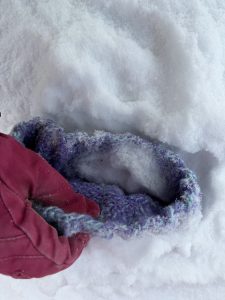
Snow washing (sometimes called snow cleaning) is a traditional way to freshen and deodorize natural fiber garments by laying them in clean, dry snow instead of washing them in water.
It’s not a full wash like hand-washing with soap. Instead, it’s a gentle method used to:
- Remove surface dirt and dust
- Reduce odors
- Freshen musty or smoky fibers
- Air and revive garments between full washes
Historically, people used this method for:
- Wool and alpaca sweaters
- Blankets and rugs
- Heavy cloaks and outerwear
- Bedding and futons
Who Invented Snow Washing?
No single person invented it — snow washing developed naturally in cold regions around the world.
It has been documented for hundreds of years in:
- Scandinavia (Finland, Sweden, Norway, Iceland)
- Baltic countries
- Eastern Europe
- Alpine mountain regions
- Japan (where a related practice called yuki-zarashi is used to brighten and freshen textiles)
Before modern washing machines and heated water, people needed ways to care for heavy wool garments without soaking and scrubbing them. Snow provided a free, gentle, and effective alternative.
Why Snow Washing Works (The Fiber Science)
Snow washing isn’t just folklore — there’s real fiber science behind why it works.
- Dry snow absorbs odors and surface oils
Fresh, powdery snow acts like a natural absorbent. As it melts slightly on the fiber surface, it can lift:
- Dust
- Light soil
- Odor-causing compounds
- Cold suppresses odor-causing bacteria
Cold temperatures slow bacterial activity, which helps reduce musty and body odors.
- Minimal moisture reduces felting risk
When done in very cold conditions, snow stays dry and powdery. The fibers don’t become fully wet, which means:
- Less swelling of fiber scales
- Lower risk of felting and shrinkage
- Sun + snow reflection may help brighten fibers
Historically, people believed the reflected light off snow helped gently brighten and freshen textiles. While subtle, it may contribute to that “extra fresh” feeling

Why Snow Washing Is Especially Good for Alpaca
Alpaca fiber is uniquely suited for snow washing:
- Alpaca contains no lanolin, unlike sheep’s wool
- It releases odors easily
- It doesn’t hold grease in the same way as wool
- It benefits greatly from airing and gentle surface cleaning
This makes snow washing especially useful for:
- Light soil
- Farm or barn smells
- Smoke odors
- Mustiness from storage
- Between-wash freshening
How to Snow Wash Natural Fiber Clothing (Step-by-Step)
For best results, follow these fiber-safe tips:
- Choose a very cold day (below freezing)
- Use clean, dry, powdery snow
- Let the garment cool to outdoor temperature first
- Lay the garment flat on the snow
- Lightly press snow into the fabric
- Flip and repeat
- Leave for 15–30 minutes
- Shake out thoroughly
- Lay flat indoors to finish drying
Important tip:
Avoid warm garments on snow — warmth will melt snow into water, increasing the risk of felting and stretching

Is Snow Washing Still Used Today?
Yes! While less common than in the past, snow washing is still practiced in:
- Finland and Scandinavia
- Baltic countries
- Japan (for textiles and futons)
- Rural and mountain communities
It’s also growing in popularity among:
- Fiber artists
- Homesteaders
- Sustainable fashion advocates
- Slow-living communities
The Downsides of Snow Washing
Snow washing is wonderful, but it’s not a replacement for proper washing.
❌ Not a deep clean
It won’t remove:
- Sweat salts
- Deep body oils
- Food stains
- Heavy soil
❌ Wet snow can cause felting
If snow is:
- Slushy
- Wet
- Actively melting
You risk partial wetting + agitation, which can lead to shrinkage and felting.
❌ Natural fibers can stretch
Always:
- Dry flat
- Avoid hanging heavy garments
- Support the fiber to prevent stretching
When to Use Snow Washing vs. Hand Washing
Use snow washing for:
- Freshening between wears
- Odor removal
- Seasonal airing
- Light soil
Use gentle hand washing for:
- Visible dirt
- Sweat buildup
- Stains
- Annual deep cleaning
Final Thoughts: A Beautiful Old Tradition for Modern Fiber Care
Snow washing is a perfect example of traditional textile wisdom that still has a place today. For alpaca lovers, it’s a gentle, sustainable, and satisfying way to care for your garments — especially in winter.
It connects us to generations of fiber keepers who cared deeply for their clothing, their animals, and their craft.
S&B Bell Farms is a participant in the Amazon Services LLC Associates Program, an affiliate advertising program designed to provide a means for sites to earn advertising fees by advertising and linking to www.amazon.com