
Planting a dye garden is like being an artist, a scientist and a gardener all rolled into one. It’s sustainable, deeply satisfying and easier than you’d think.
Stunning, natural dyes can be produced by growing plants such as dyers’ coreopsis, crackerjack African marigold, Japanese indigo and Hopi red dye amaranth.
And these plants are not only attractive but also helpful for pollinators and the ecosystem.
This guide takes you through everything you need to know about making your own dye garden. Let’s begin.
Why Grow a Dye Garden?
Eco Living Starts Here
If you care about the environment — and who doesn’t?
In my opinion though, a dye garden is just the perfect ticket. Dyes that are synthetic and used in textiles are the bane of rivers and ecosystems.
They carry toxic chemicals that remain in the environment long after the fabric has been thrown away. Natural dyes, by contrast, are biodegradable and non-toxic. By growing your own dye plants, you don’t need the industrial processes that hurt the planet.
Every time you use a natural dye, you are reducing waste and supporting sustainable practices. You’re standing up to pollution and walking a greener path. An easy and impactful way to live more sustainably is by growing a dye garden.
Pollinator Paradise
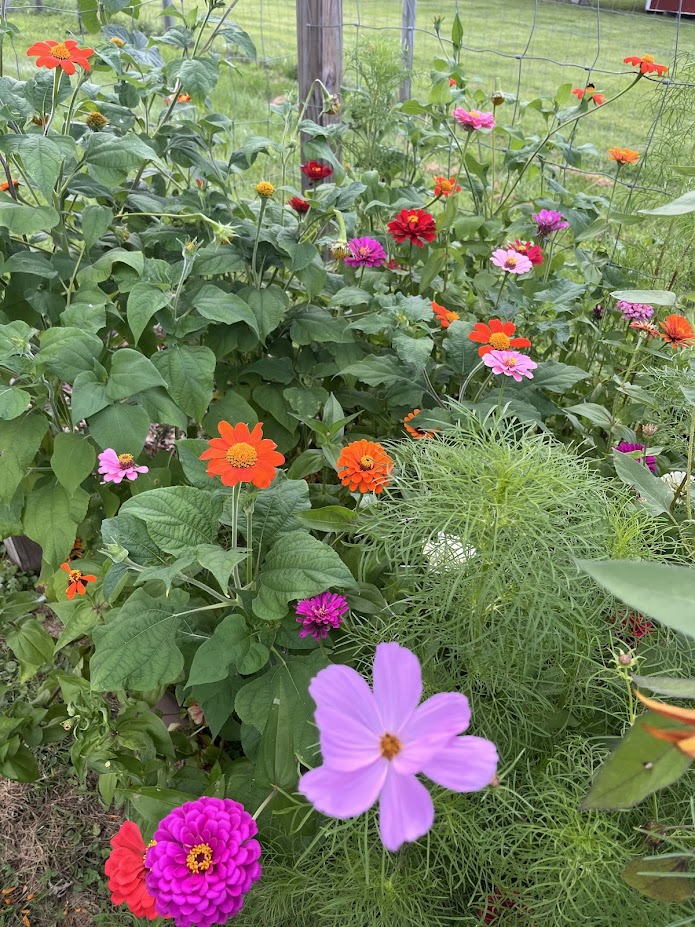
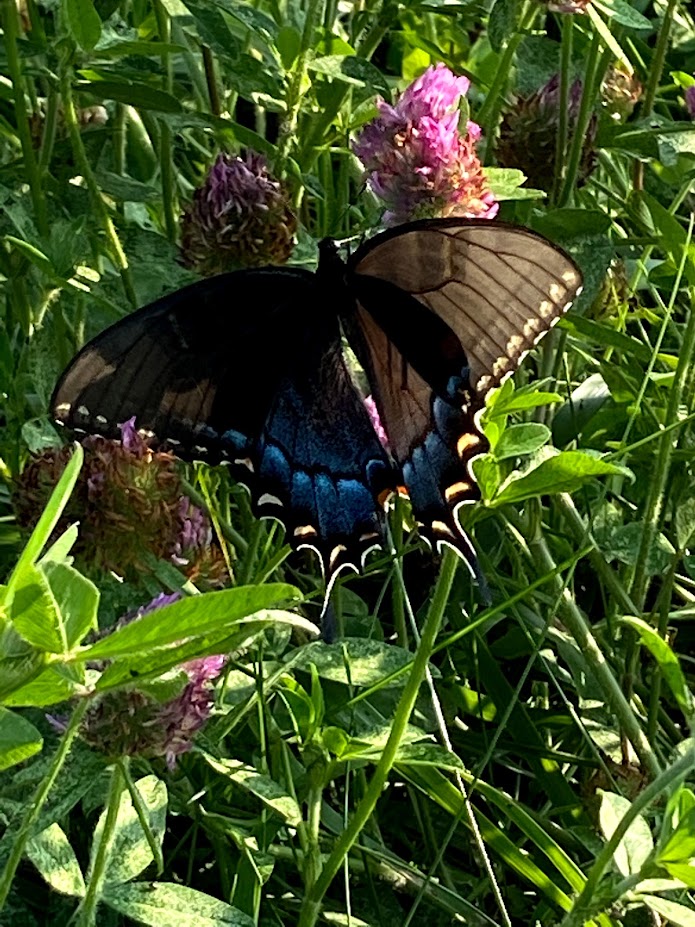
Here’s one more reason to love dye gardens: They lure pollinators. Many of the plants used commonly for dyeing attract bees, butterflies and hummingbirds. For instance, dyer’s coreopsis and sulphur cosmos are magnets for these essential beings. By planting a dye garden, you aren’t just making art; you’re also creating a home for pollinators.
Pollinators are important for biodiversity. Without them, many plants would find it hard to reproduce. By supporting pollinators, you’re contributing to survival of the delicate balance of nature. A dye garden, while small, is a meaningful part of this movement.
Small Space? No Problem
You can grow a dye garden on a smaller scale. Most dye plants do well in pots or small beds. Even if you’re in a city apartment with little outdoor space, you can still grow a dye garden. Some plants, such as Japanese indigo and pincushion flowers, liven up container gardening. They just need sunlight, water and some attention.
A dye garden is flexible. You may begin small and grow as you gain confidence.
Dye Garden Plants I’m growing this year:
These will be the stars of my dye garden this year. Click the link on each flower name, and you can read in further detail at Hudson Valley Seed Co
Dyer’s Coreopsis (Coreopsis tinctoria)
Colors Made: Yellows, oranges, browns; rusty reds with soda ash.
Dyer’s coreopsis is a cheery and adaptable plant. Its golden-yellow and orange flowers are great for bringing warmth and earthiness to bouquets. A rusty reds, if you add soda ash while dyeing. This plant is a fast grower that loves full sun.
- Planting: plant 40–50 cm apart in full sun.
- Height: Up to 60 cm.
- Bonus: Appeals to the bees and the butterflies.
Dyer’s coreopsis is a good option for a beginner because it is hardy and low-maintenance. After it’s established, it needs little care. Just water it every once in a while so that you can watch some colors pop.
Crackerjack African Marigold (Tagetes erecta)
Colors Achieved: Bright yellows, oranges; olive green with iron mordant.
Marigolds are a garden classic for a reason. Their bright yellows and oranges are perfect for dyeing. With an iron mordant they yield rich olive greens as well. Even without their dye potential, marigolds are natural pest deterrents, making them great companions for vegetables.
- Conditions: Full sun, good soil.
- Start Indoors: 6 weeks before the last frost
- Additional Tip: Repels bugs.
Marigolds are easy to germinate from seed. Start them indoors and then transplant them outside once the threat of frost has passed. They’ll pay you back with regular blooms during the growing season.
Yarrow (Achillea millefolium)
Dyes Derived: Yellow, olive green, light brown.
Yarrow is a wonderful medicinal dye plant. It was historically used for wound treatment and anti-inflammation. Yarrow brings darker shades to the party, and complements brights in your dye garden. It thrives in poor soil making it a practical option for difficult growing conditions.
- Growing conditions: Likes sun, tolerates poor soil
- Medicinal Bonus: Perfect for homebrewed herbal treatments.
Yarrow is a hardy plant that is low-maintenance. Once you have it established, the plant spreads readily, so watch its growing habits. For best results, harvest its flowers and leaves at peak bloom.
Sulphur Cosmos (Cosmos sulphureus)
Types of Colors That Can Be Made: Bright orange, yellow, brown.
Sulphur cosmos are a summer garden classic. Its nonstop flowers attract butterflies and hummingbirds, which will bring life and motion to your garden. To process it correctly, the flowers yield bright orange and yellow dyes; when they are well extracted, you get subtle brown tones.
- Growing conditions: Simple to grow sun properties.
- When to plant from Seed: Spring after frost or fall before freeze.
It is a forgiving plant that copes well with environmental stress. Sow the seeds directly in spring or fall and they will thrive with little work.
Pincushion flower (Scabiosa atropurpurea)
Colors Generated: Purple, pink and grayish blue.
The pincushion flower is a star performer in any garden. The structure and the range of colors make it a perfect candidate for dyeing. The plant comes in deep purples and soft grays for a versatile beauty.
- Growing Conditions: Full sun; well-drained soil
- Ornamental Value: Fabulous in borders.
Pincushion flowers are fairly easy to grow, provided they have well-drained soil. Plant them in sun, and they’ll reward you with flowers in the growing season that don’t stop.
Japanese Indigo (Persicaria tinctoria)
Colors Generated: Aqua, turquoise, sapphire blue.
Japanese indigo is a wizard plant. When you dunk fabric in its dye bath, it changes from yellow-green to brilliant blue before your eyes. It is spellbinding to watch the process unfold — known as oxidation.
- Growing Conditions: Indoor sown, transplant outside after frost
- Tips for Harvesting: Leaves can be picked three times through the summer.
Japanese indigo is a little higher maintenance than some other dye plants (it’s a weedy annual, for example!), but the yield is worth the work. Sow the seeds indoors, then transplant them outside after the last frost. Sharing in regular harvests will promote bushier growth and maximize dye production.
Hopi Red Dye Amaranth (Amaranthus cruentus)
Colors Achieved: Fuchsia pink, maroon; greys, blues, purples with mordants.
Amaranth (Hopi red dye) Cultural Significance Historically, it was used by Hopi Native Americans to dye fibers and basketry. Today, its vivid fuchsia hues and versatility make it a prized type of coral. Depending on the mordant used, it can yield various colors, from deep maroons to gentle purples.
- Planting: Direct sow after frost or start indoors.
- Meaning: It is a symbol of indigenous culture.
Amaranth is a warm weather crop that grows quickly. You can sow the seeds directly in the ground after the last frost, or start them indoors for a jump start. With its colorful leaves and spectacle blossoms, it makes a showstopper in any garden.
How to Grow Your Dye Garden
It takes planning and a critical eye to create a dye garden that works. Here are the steps you can follow to help your plants grow healthy and display the best colors.
Choose the Right Spot
For most dye plants, sunlight is a must. Choose a spot that gets at least 4–6 hours of direct sunlight per day.
You want to make sure that the soil is well-draining and also rich with compost to sustain the nutrients. If your soil is heavy or compacted, raised beds or containers will help improve drainage.

Plant Strategically
Plants are unique, so do some research before adding them to the garden. Some plants, such as yarrow, thrive in poor soil, whereas others, such as marigolds, like to grow in nutrient-rich soil. Space them with regard to their height and spread to avoid overcrowding.
Enough spacing can promote healthy root formation and maximize air circulation/canopy density, helping to mitigate disease risk.
Water Wisely
When it comes to keeping your plants alive, watering regularly is perhaps the most important factor. Containers dry out quickly compared with garden beds, so keep an eye on potted plants. Mulching can help to retain moisture and suppress weeds, decreasing the need for frequent watering. Be careful not to overwater, as the soil doesn’t like to be soggy and can lead to root rot.
Harvest at Peak Bloom
Timing can be key when dye plants are harvested. To achieve the strongest color, harvest flowers or leaves when they’re at their peak brightness. Make clean cuts on stem ends and keep the materials in a cool, dry space until you’re ready to dye.
Save Seeds for Next Year
Save the seeds from your plants at the end of the growing season. Keep them in labeled envelopes or jars in a cool, dry place. This means that you’re ensuring your supply of dye materials as you can replant your favorite varieties next year.
Growing your own dye plants, you are actively reducing your impact on the environment, supporting biodiversity within your area and creating an active meaningful connection to nature. Nurturing plants, harvesting their colors, and transforming fabric is a rewarding process.
Focus on biodiversity, test various plants and most importantly – have fun!!
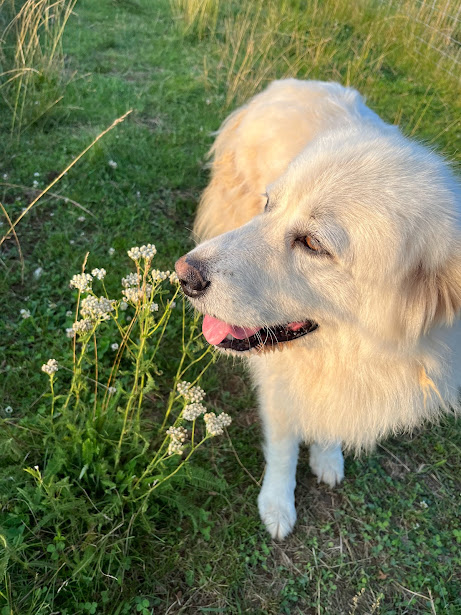
This is our sweet girl Annabelle, showing off some yarrow she found growing in one of our fields!
FAQs
How to grow dye plants indoors if you don’t have outdoor space?
Numerous dye plants, including Japanese indigo and pincushion flowers, do very well grown indoors.
Put them in a sunny window or under grow lights, and use containers with appropriate drainage. While they don’t get as big as when grown outside, they can still provide enough material for small dye projects. Just make sure they get enough sun and water.
How can I tell when it’s time to harvest my dye plants?
When the best time to harvest is varies based on the plant. Flowers such as dyer’s coreopsis and marigolds, harvest them when open and vibrant.
For leafy plants (such as Japanese indigo) harvest when the leaves are lush and healthy, usually before the plant flowers. Morning is usually best: the plants are more hydrated, and their pigments are at peak performance.
Can I do it without special tools?
Not necessarily. You need pots, strainers, and jars, basic kitchen tools. But it’s a good idea to reserve these tools just for dyeing so that none of the dye contaminates food.
Nonreactive pots work best, such as stainless steel or enamel ones. Wooden spoons and glass jars are also great for handling dye materials.
What are mordants, and why are they important?
Mordants are used to fix dye to fabric and improve the brightness and colorfastness.
Alum, iron, and soda ash are common mordants. Natural dyes can be short-lived or wash out without a mordant. Various mordants can also change the final hue—iron leads to darker, subdued colors, while alum tinctures colors.
Can I just combine different dye plants to obtain different colors?
Yes, colors will mix — it’s an excellent way to explore how dye plants can be blended. For example, blending dyer’s coreopsis (yellow) and Hopi red dye amaranth (pink) will produce an orange dye.
S&B Bell Farms is a participant in the Amazon Services LLC Associates Program, an affiliate advertising program designed to provide a means for sites to earn advertising fees by advertising and linking to www.amazon.com
This is a very interesting sustainable practice. Never heard of the term dye garden but I love the concept. Thanks for sharing.
Wow! I never realized how many beautiful, natural dyes can come from plants we can grow ourselves
WOW this was a very interesting article! Thanks for sharing the information!
Thanks for the insights! I want to do something like this but I don’t have much space outdoors so I’d consider growing inside. This is very helpful:-)
I’m purposefully planting a pollinator garden this year. Reading abut your dye garden was very interesting.