
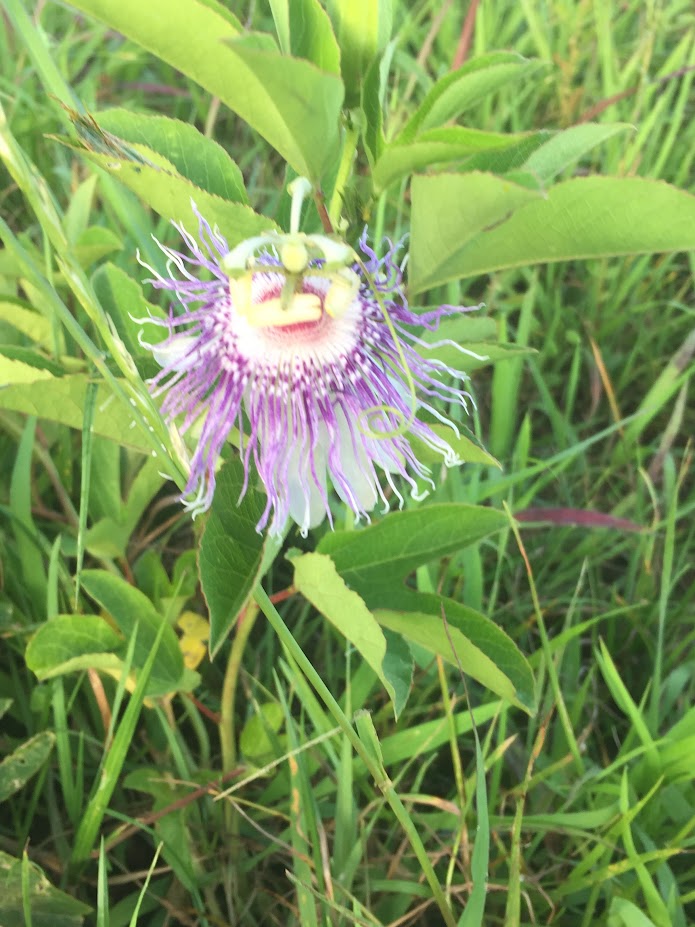
Imagine a vine with flowers so beautiful they look like lace, fruit that tastes like sunshine, and leaves that calm your mind.
Sounds good, doesn’t it?
That’s Passiflora incarnata, or the passionflower, for you. It’s culinary, therapeutic and deceptively simple to grow.

Here, you’ll learn how to grow passionflower, what its ripe fruit looks like, and how to use both the flowers and fruit in creative ways.
Spoiler alert: the trick to growing perfect maypops is to let them drop off the vine. And yes, you can eat the seeds as well — they’re crunchy, not slimy.
Let’s get started.
What Is Passiflora Incarnata?
Before we explore further, let’s answer the big question: what is passionflower?
- It’s a hardy climbing vine that is native to the southeastern United States.
- Its flowers are breathtaking—lavender petals surrounded by a crown of white and purple filaments.
- The fruit, which is known as a maypop, is tangy and adaptable.
- The flowers and leaves are both calming and medicinal.
This plant is not demanding, either. It thrives in USDA zones 5–9, so it can withstand both cold winters and hot summers.
Long story short, it’s a tough, gorgeous and serviceable member of the garden club.

How to Grow Passionflower
So, how do you grow your own passionflower? Great choice. Here’s what you need to know to get started on the right foot.

Where It Thrives
Passionflower loves sunlight. Full sun is best, but it will also tolerate partial shade if necessary. It’s like a no-fuss sun worshiper.
So when it comes to soil, think Goldilocks—not too dry, not too soggy.
It grows best in well-drained, loamy soil. Desire a pH toward the acidic end, about 6.5. But if your soil is heavy clay, add a little compost or sand through the soil to get adequate drainage.
Passionflower like warmth. Ideal temperature is about 77°F (25°C).
Humidity? Keep it around 60%. Too dry and the its hard to get the plant to thrive. Too humid, and you may encounter fungal problems.
Planting Tips
Plant passionflower in the spring after the last frost. That gives it time to take root before winter arrives. If you’re in a colder zone (USDA zone 5, say) think about planting it near a south-facing wall. The additional warmth will allow it to endure harsh winters.
Give it room to grow. This vine can reach up to 25 feet long, so give it a solid trellis, fence or arbor. Without support, it’ll flop all over the ground, which isn’t great.”
Watering and Maintenance
Water frequently, particularly during dry periods. But don’t drown it. One common mistake is watering too much. Stick your finger into the soil — if the top inch feels dry, it’s time to water.
In late winter or early spring, prune to control its size and promote new growth. Pruning prevents overcrowding, which can cause pests and diseases.
Passionflower’s Flowers Characteristics
You might be surprised to learn that passionflower’s most intriguing characteristic is not its herbaceous leaves but its flowers. There’s nothing else in the plant universe like them.
How Do the Flowers Appear?
Each flower is 2–3 inches wide and has lavender or light purple petals. But the real spectacle is the corona — a wheel of white and purple filaments that resembles a miniature galaxy.
These flowers serve more than an ornamental purpose. Bees and butterflies come to pollinate them. Carpenter bees especially do a stellar job on passionflower.
When Does It Bloom?
Passionflower flowers from July to September. If you’re lucky, you might see a butterfly sipping nectar from its flowers.
Identifying and Harvesting Ripe Maypops
Now comes the good stuff: harvesting the fruit. But how do you know when it’s finished?
Signs of Ripeness
The fruit begins dark green. When it does ripen, it becomes a lighter yellow-green or can turn yellow. Touch it gently — it should be a little soft.
But here’s the memos’ best-kept secret: do not pick the fruit, wait for it to fall on its own. This is the failproof sign of ripeness. If you harvest too early, the flesh inside will be tasteless and white.
Harvesting Tips
- Plants should be inspected daily in late summer and early fall. Properly ripe fruit can fall rapidly, and wildlife may get to them before you do.
- Twist fruit gently off the vine, or pick fallen ones up off the ground.
Passionfruit Fruit and Flowers: What to Do With Them
What to Do With Passionflower Fruit and Flowers
Eating the Fruit
The pulp within the maypop is zingy and refreshing. Eat it fresh — or incorporate it into dishes. Try these ideas:
- Jams and Jellies: The tartness works so well with sugar.
- Desserts: Swoosh it into yogurt, ice cream or cakes.
- Drinks: Prepare a passionflower lemonade or cocktail.
And don’t forget the seeds! They’re edible, and they give a satisfying crunch.
Using the Flowers and Leaves
The flowers and leaves are valued for their soothing qualities. Dry and steep them in hot water to make tea. Or infuse them in tinctures and extracts.
Here’s what to know about passionflower tea:
- It is great for anxiety and stress relief.
- It promotes better sleep.
- It soothes digestive issues.
Cut your flowers and leaves in the morning once the dew is dried. That guarantees maximum concentration of the good stuff.

Fun Facts about Passionflower
Now let’s step away from all the practical stuff and go to some interesting trivia.
- Name Origin: The term “passionflower” refers to Christian symbolism. Early missionaries viewed the flower as a symbol of Christ’s crucifixion.
- Wildlife Magnet: A magnet for bees, butterflies and hummingbirds It’s also where Gulf Fritillary caterpillars like to feed.
- Bioactive Compounds: The plant is rich in flavonoids, tannins and alkaloids, which make a significant contribution to its medicinal importance.
So why not give it a try? You can plant a vine, watch it grow, and wait for the magic of passionflower.
S&B Bell Farms is a participant in the Amazon Services LLC Associates Program, an affiliate advertising program designed to provide a means for sites to earn advertising fees by advertising and linking to www.amazon.com