
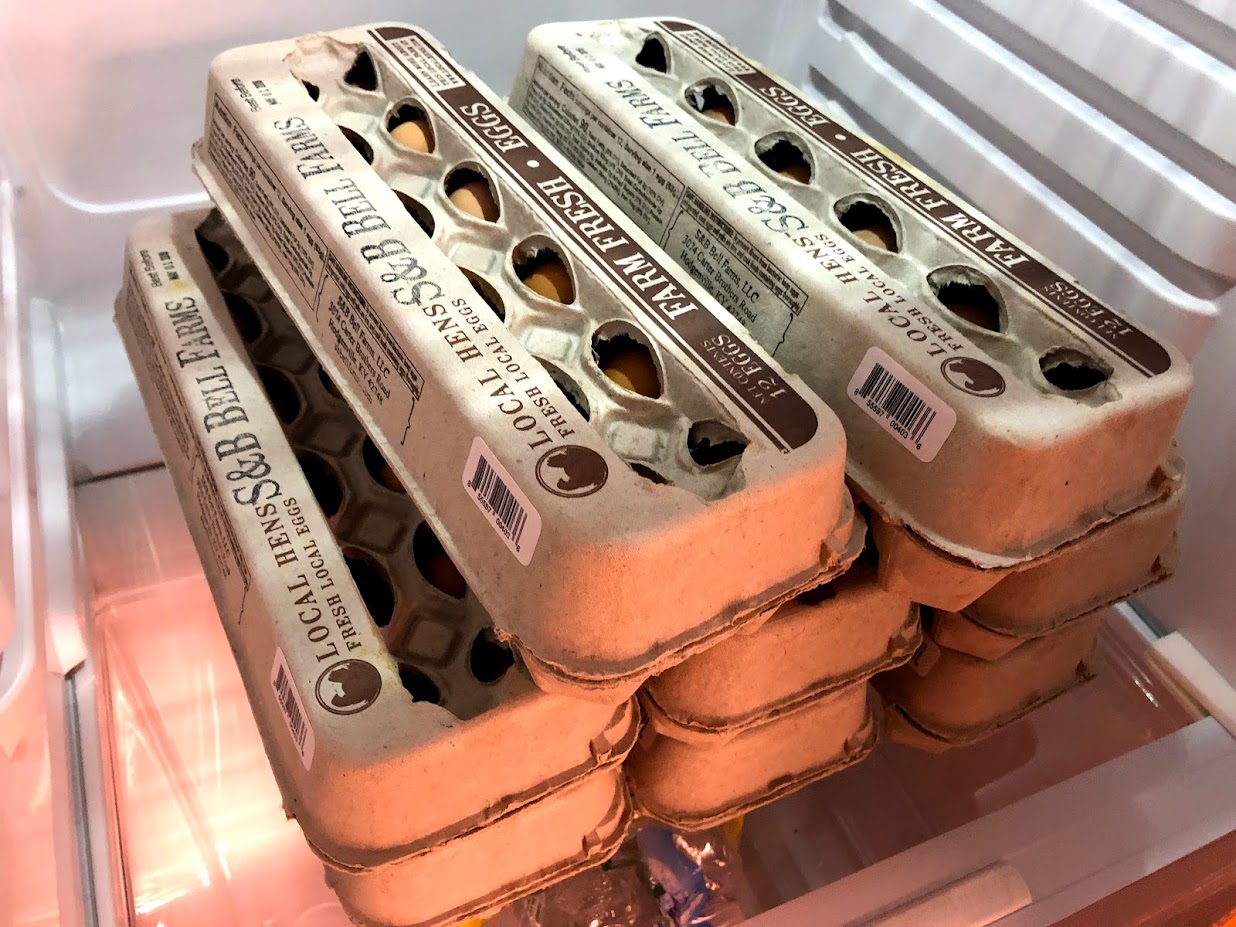
Here on the farm, eggs are more than just something you grab from the fridge in the morning. They tell the story of how our chickens live, what they eat, and how closely connected they are to the land. When you crack open one of our pasture-raised eggs, you’re seeing the result of sunshine, fresh grass, bugs, and good old-fashioned farm care.
But what does pasture-raised really mean, and how is it different from the labels you see in the grocery store? Let’s take a closer look at what makes these eggs so special.
What Does Pasture-Raised Really Mean?
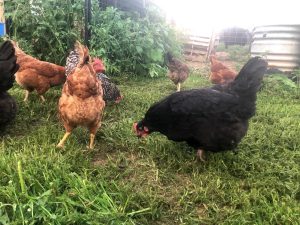
Pasture-raised means our hens spend their days outside on living pasture. Instead of being confined to a barn, they move across grass where they can scratch, peck, chase bugs, sunbathe, and dust bathe the way chickens were designed to do. This natural lifestyle allows them to express real chicken behaviors while enjoying a much more varied diet that includes grasses, seeds, weeds, and insects along with their balanced feed.
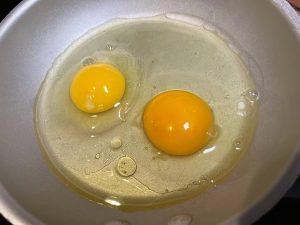
This way of raising chickens is better for their health and well-being, and it shows up in the eggs themselves. The yolks are often deeper in color, the whites are firmer, and the flavor is richer because the birds are eating what nature intended.
How Is Pasture-Raised Different From Free-Range or Cage-Free?
One of the most confusing things for customers is trying to understand what all the egg labels actually mean. Cage-free simply means the chickens are not kept in cages, but most cage-free birds still live entirely indoors in large barns with thousands of other chickens. Free-range means the birds must have some access to the outdoors, but that access can be very limited and may only be for short periods of time or through small doors that few birds actually use.
Pasture-raised goes much further. Our chickens live on grass and have regular, meaningful access to open pasture. They have far more space to roam, a more natural diet, and a lifestyle that closely mimics how chickens would live in a traditional farm setting. All pasture-raised eggs are technically free-range, but not all free-range eggs are truly pasture-raised.
How Many Eggs Does a Chicken Lay in a Year?
On average, a healthy laying hen will produce somewhere between two hundred and three hundred eggs per year. This number depends on the breed of chicken, her age, the time of year, how much daylight she gets, and the quality of her nutrition. Hens usually lay the most eggs during their first one to two years of life. As they age, production naturally slows down, but many farmers keep older hens because they are still valuable members of the flock and part of the farm family.

What Do Egg Shell Colors Mean?
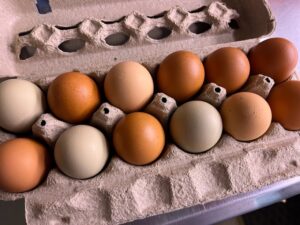
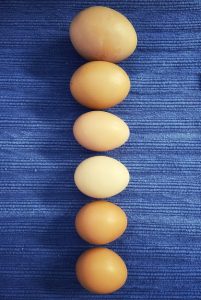
Egg shell color is determined entirely by the breed of chicken and has nothing to do with nutrition, freshness, or quality. Some breeds lay white eggs, others lay brown eggs, and some special breeds lay blue, green, or even olive-colored eggs. The color of the shell is simply a genetic trait, much like hair or eye color in people. Inside, the eggs are very similar.
Do Brown Eggs Taste Different Than White Eggs?
Despite what many people believe, brown eggs do not taste different from white eggs. The flavor of an egg comes from what the chicken eats, how fresh the egg is, and how it is cooked. A fresh pasture-raised white egg and a fresh pasture-raised brown egg will taste the same. What most people are really noticing when they say farm eggs taste better is the freshness and the richer diet of the hens.
Also, brown eggs are not healthier than white eggs. Nutritional differences in eggs are influenced by the chicken’s diet and lifestyle, not the color of the shell. Pasture-raised eggs of any shell color often contain higher levels of certain vitamins and omega-3 fatty acids and tend to have darker yolks because the hens are eating fresh greens and insects. It’s the pasture and the diet that make the difference, not whether the shell is brown or white.
Speaking of taste… a chicken’s diet has a huge impact on egg flavor. Chickens that eat fresh greens, bugs, worms, garden scraps, and a balanced feed produce eggs with richer flavor, darker yolks, and better texture. This is one of the biggest reasons pasture-raised eggs often taste so much better than grocery store eggs. The diversity in what the chickens eat shows up directly on your plate.
Why Are Eggs Washed in the U.S. but Not in Europe?
In the United States, regulations require that commercial eggs be washed and sanitized before they are sold. Washing removes dirt and bacteria, but it also removes the egg’s natural protective coating, known as the bloom or cuticle. Once that protective layer is gone, eggs must be refrigerated to prevent bacteria from entering through the shell.
In much of Europe, eggs are not washed. This allows the natural bloom to remain intact, which helps protect the egg from bacteria. Because of this, and because many European flocks are vaccinated for salmonella, eggs there are often stored at room temperature. Both systems are designed for food safety, they are just handled differently. On small farms, unwashed eggs with the bloom intact can often be stored for quite a long time, but once an egg is washed, it should always be kept in the refrigerator.
How Long Are Eggs Good For?
Fresh, unwashed farm eggs can last one to two weeks at room temperature and two to three months or more when refrigerated. Washed eggs, like most store-bought eggs, are best kept refrigerated and typically last three to five weeks from the time of purchase. A simple way to check freshness is the water test. Very fresh eggs sink and lay flat, older eggs may stand up, and eggs that float should be discarded.
What Can You Do With Egg Shells?
Egg shells are surprisingly useful and don’t need to go straight into the trash. Crushed shells can be added to garden soil to provide calcium, which is especially helpful for tomatoes and peppers. Many farmers bake and crush shells to feed them back to their chickens as a natural calcium supplement to support strong shells. Egg shells can also be added to compost, used as a natural deterrent for some garden pests, or even used in simple craft projects and natural cleaning methods.
Can You Influence Chickens to Lay More Eggs?
There are ways to support healthy egg production, but it’s important to remember that chickens are living animals, not machines. High-quality layer feed, adequate protein, access to calcium, and good overall health all support steady laying. Day length also plays a big role, which is why hens naturally slow down in winter when there is less daylight. Some farms use supplemental lighting, but natural rest periods are normal and healthy for chickens. That is why we do not use any supplemental lighting during the shorter days. We let our hens take time off from laying, and allow them a “vacation” from all their hard work!
From Our Pasture to Your Plate
When you choose pasture-raised eggs, you’re not just buying food. You’re supporting humane animal care, healthier land, and a more natural way of farming. You’re also getting eggs that look better, cook better, and taste the way eggs used to taste.
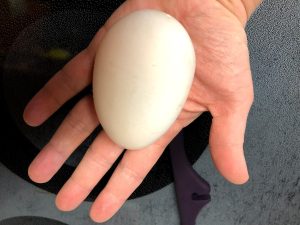
The egg on the left? Store bought.
The egg on the right? Laid by the hard-working ladies at S&B Bell Farms!
From our pasture to your breakfast table, thank you for supporting small farms and choosing eggs with a story behind them. 💛
S&B Bell Farms is a participant in the Amazon Services LLC Associates Program, an affiliate advertising program designed to provide a means for sites to earn advertising fees by advertising and linking to www.amazon.com